What parents say about Kestrel Hill Tuition
“Calm, kind and properly expert. Our son actually looks forward to maths now.”
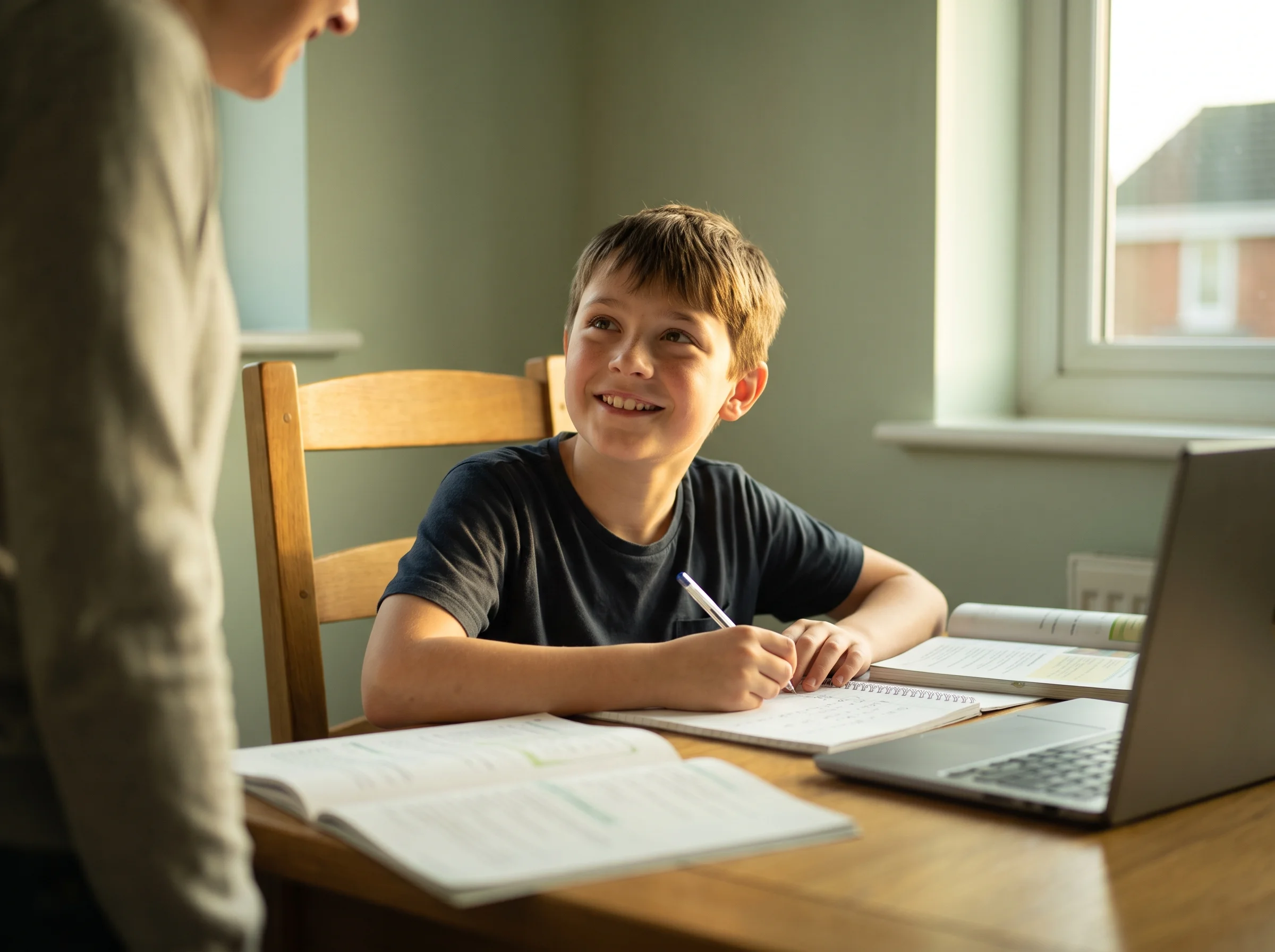
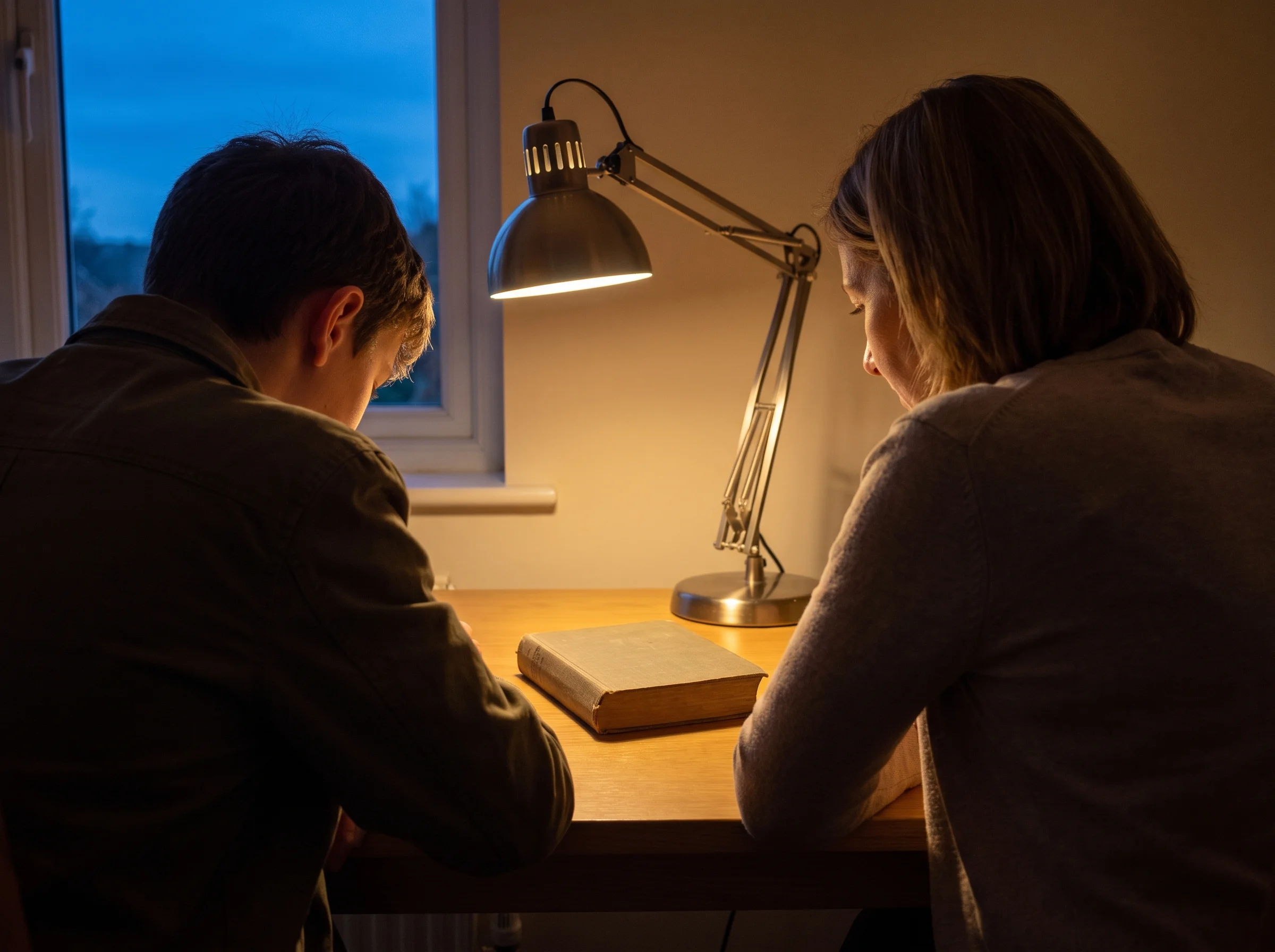
Last summer's results, in a parent's words
“Ellie went from dreading Tuesdays to asking if she could stay longer. She got a 7 in her maths GCSE, two grades above her prediction.”
— Rachel, parent of Ellie, GCSE maths
9 of 11of Anna's GCSE students beat their predicted grade last summer.
No exam is ever promised. The weekly hour works on the thing underneath the grade, a child's belief that they can do it, and last summer's grades followed from that.
Younger children and the 11+
Key Stage 2 maths, and maths and reasoning for the 11+, for children aged 9 to 11. The first visit is often the nervous one. Here is how one father described what came after it.
“Anna found the gap in about ten minutes that school hadn't found in two years. Tom passed the 11+ in September.”
— Mark, parent of Tom, 11+
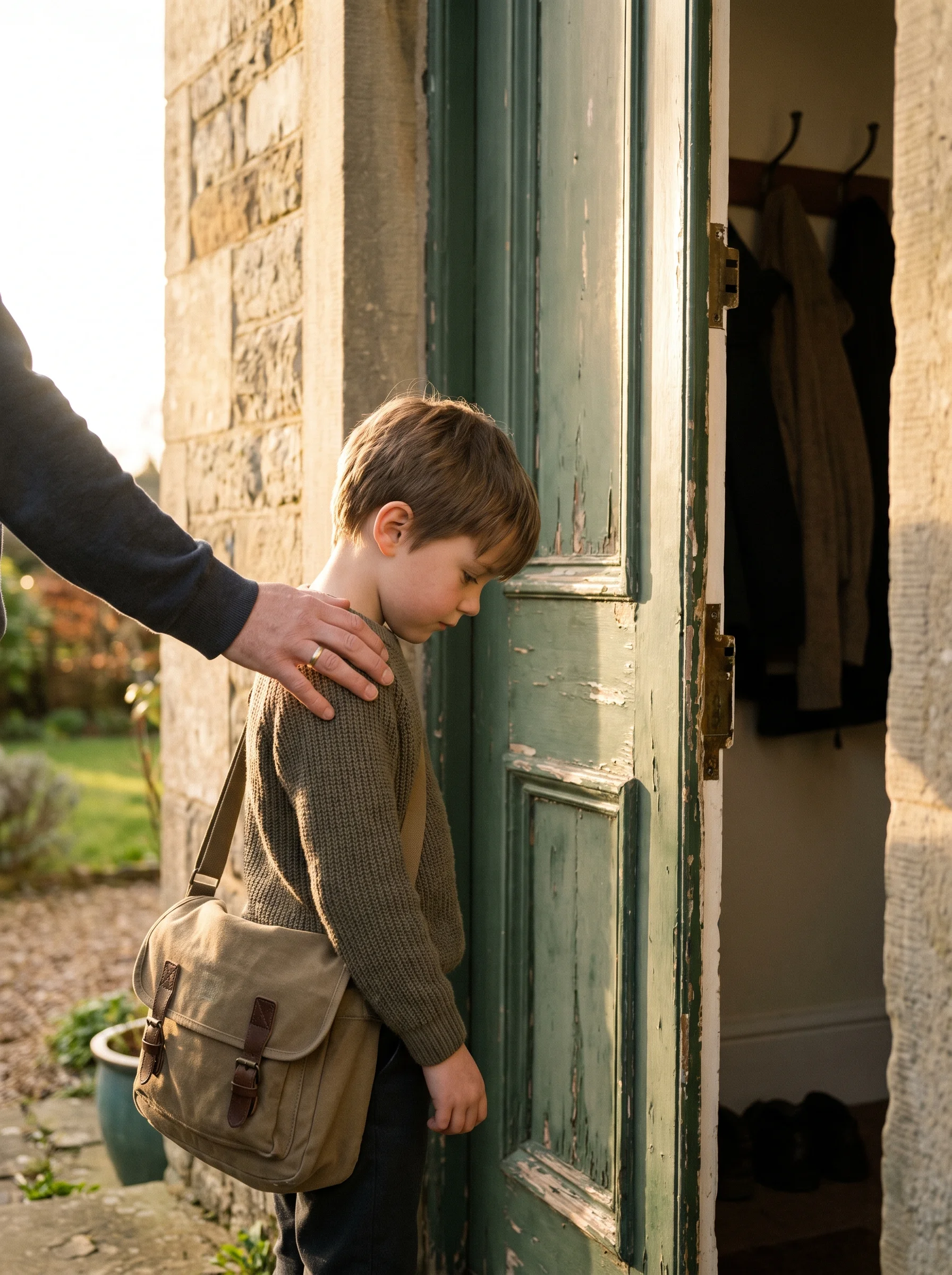
Tom passed the 11+ last September. Anna begins every younger child's first half hour by finding where the ground is firm and where it is not, which is usually a smaller, earlier thing than anyone expected.
Key Stage 2 maths and 11+ preparation are £36 an hour, one to one, weekly and booked by the term. How Anna prepares a child for the 11+
Secondary and GCSE
Key Stage 3 maths, GCSE maths at Foundation or Higher tier, and GCSE combined science, for children aged 11 to 16. Rachel's sentence about Ellie's GCSE is above; the other secondary parents' words are on Google, where 63 reviews average 4.9.
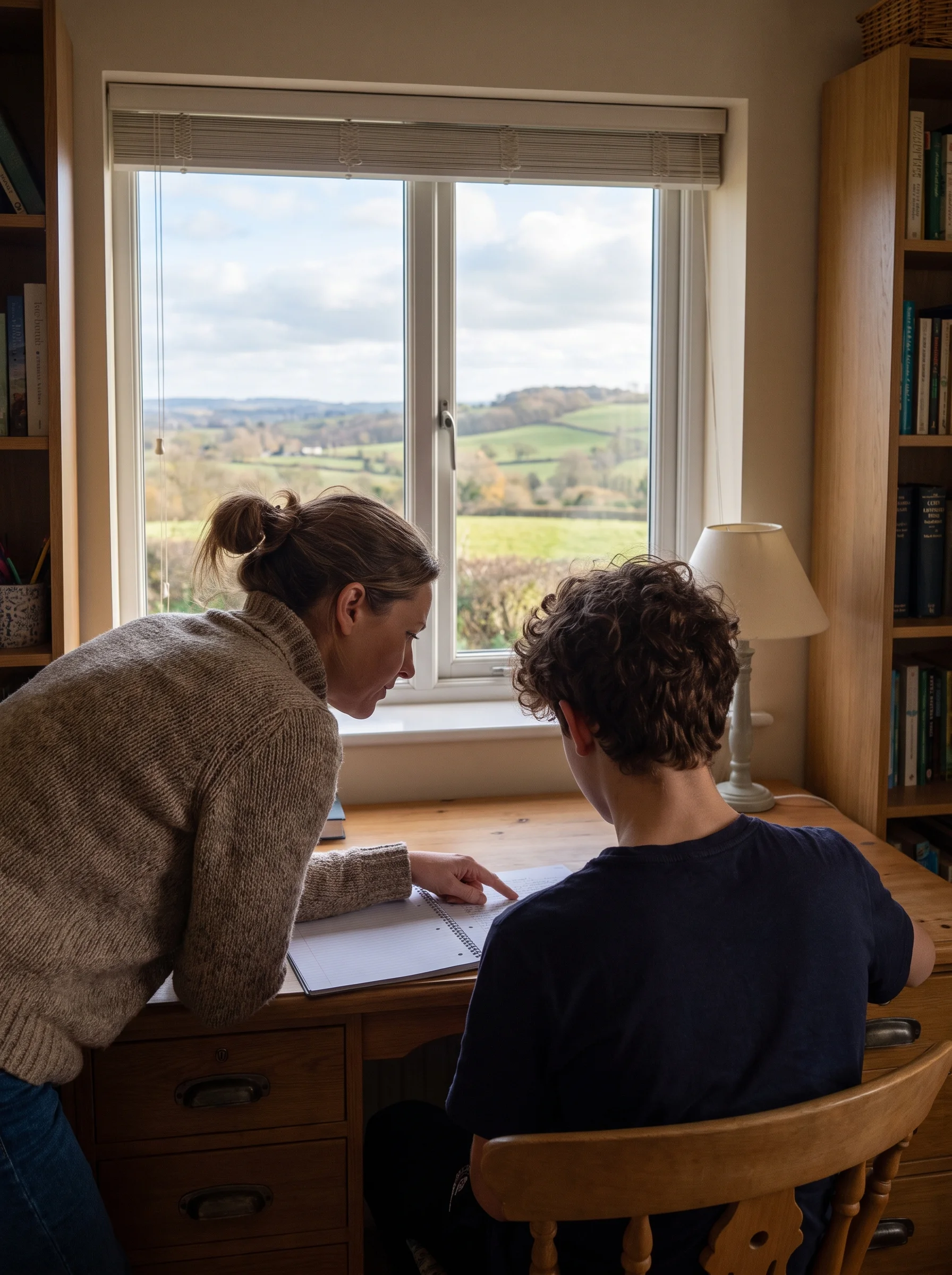
A teenager who has slipped behind usually knows it before anyone says so. The weekly hour starts with the bit they stopped understanding, however far back that is, and goes forward from there.
Key Stage 3 maths, GCSE maths and GCSE combined science are £42 an hour, one to one, in the study room or online. Foundation and Higher are the two tiers of the GCSE maths paper; Anna teaches whichever your child's school has entered them for.
Small groups and online families
Some children come in a group of up to four. Some have never been to Ludlow and learn with Anna from a kitchen table at the other end of the country. Both get the same teacher, the same hour and the same weekly rhythm.
“The online sessions are as good as being in the room. Worth every penny.”
— Sarah, parent, online sessions

Online sessions are the same price as in person, the same length and the same weekly booking by the term. The free first half hour can be online too, so a family anywhere in the UK can meet Anna before paying anything.
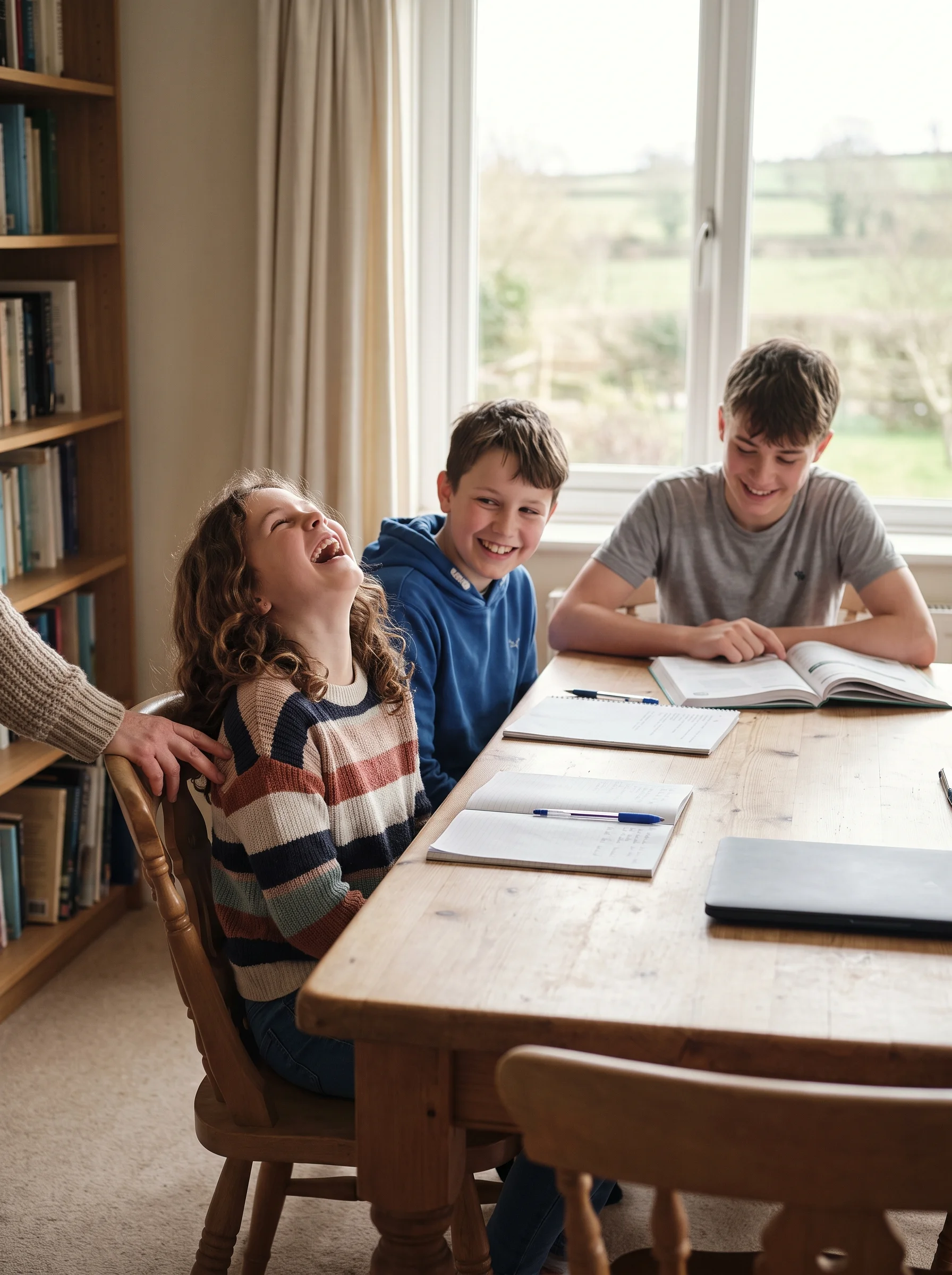
A group of up to four works because the children are at the same stage and the table is small enough that nobody can hide at the back of it.
Small groups are £20 per child per hour, at every level, weekly and booked by the term. Anna puts groups together by stage, and the free first half hour comes first so she can see where each child is.

In the pupils' words
“I used to freeze on algebra. Now I actually put my hand up in class.”
— Josh, pupil
Parents write most of the reviews, so a child's own sentence is rarer, and worth more. The question underneath every enquiry is whether your child will actually like going. The free half hour is the honest way to find out: they sit at the table with Anna for thirty minutes and then tell you themselves.
See for yourself, for free
Other parents' words can take you this far. The first half hour with Anna is free, so the rest you can judge for yourself.
Anna teaches Monday to Thursday, 15:45 to 19:30, and Saturday mornings, 09:00 to 12:30, in the study room on the edge of Ludlow or online. Spaces change each term; ask and she will tell you which evenings are currently free. See the evenings with space